<Consequences for defective notices under s. 38(11) of the Schedules> -The consequences of a defective notice are stated in s. 38(11). -Applying that section, the insurance company is prohibited from taking the position that the applicants’ impairments fall within the MIG, and obligates the insurer to pay for the treatment plans until it gives the … Read More

<Self-employment income to be recognized under s. 4(5) of the Schedules> -With regards to the claimant’s self-employment, the insurer could claim that if the claimant’s self-employment income was received in cash, it cannot be used in the IRB calculation because his income is supposed to have an HST number under the Income Tax Act. -Section … Read More

<THE LAW OF COSTS IN THE SMALL CLAIMS COURT> -S.29 of the Courts of Justice Act, R.S.O. 1990, c. 43 governs rules on costs in theSmall Claims Court, which reads at section 29: An award of costs in the Small Claims Court, other than disbursements, shall not exceed 15 per cent of the amount claimed … Read More

<Example of how the damages can be assessed when tortfeasor’s liability is admitted> -Tortfeasors are not liable in an action in Ontario for damages for expenses that have been incurred or will be incurred for health care resulting from bodily injury arising directly or indirectly from the use or operation of the automobile unless, as … Read More

-Section 25(1) of the Schedule says that the insurer shall pay for the reasonable fees charged for preparing an application under s. 45 for a determination of whether the insured person has sustained a catastrophic impairment, including any assessment or examination necessary for that purpose. -We have relied on several past LAT and FSCO cases … Read More

-The purpose of s.267.8 is to avoid duplication, or double recovery, in a tort award by allowing the defendants to deduct payments of various types and purposes from tort awards which contain the same or similar heads of damage. -The defendant is entitled to a proper deduction with respect to any income loss claim made … Read More

The threshold exceptions for litigation created by s.267.5(3) and 267.5(5) of the Insurance Act, supra, each effectively incorporates a causation requirement.  In particular, the exceptions do not apply unless the specified impairments exist or occur “as a result of the use or operation of the automobile”.  Demonstration of causation therefore is included in the elements a plaintiff must establish to satisfy the threshold for … Read More

– In accidents involving two or more insured automobiles, an insured is entitled to recover for the damages to the insured’s automobile and its contents and for loss of use from the insured’s insurer under s.263(2) of the Insurance Act. -The objective of the regime contemplated by section 263 of the Insurance Act is to … Read More

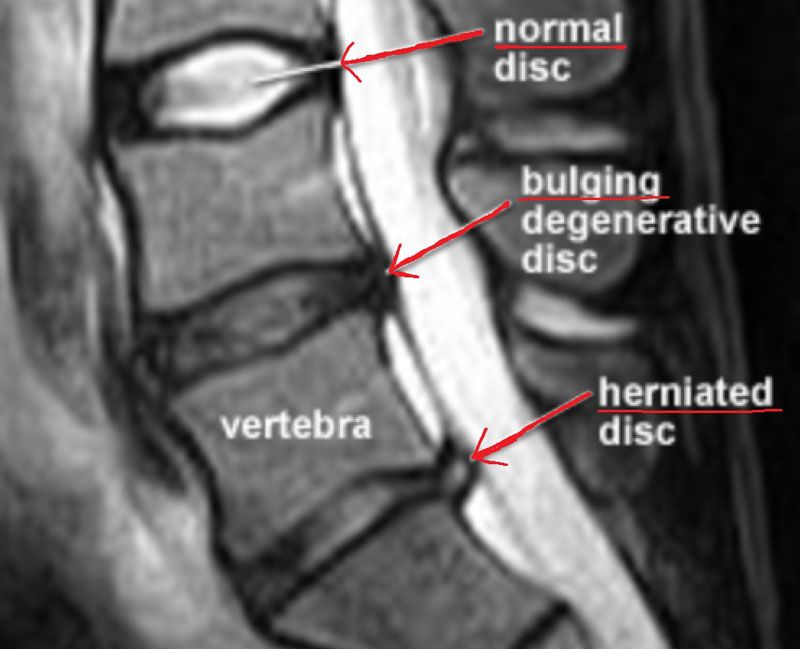
<Causation Issue in Tort of the Motor Vehicle Accident> – We agreed that if caused by the relevant motor vehicle accident, the plaintiff’s chronic low back pain constitutes a “permanent serious impairment of an important physical, mental or psychological function”, within the meaning of ss.267.5(3) and 267.5(5) of the Insurance Act. – Following our investigation of the totality of medical evidence, motor vehicle accident was relatively modest … Read More

<CAT Assessment Funding> -Section 25(1) of the SABS states reasonable fees charged for preparing an application under s. 45 for a determination of whether the insured person has sustained a catastrophic impairment, including any assessment or examination necessary for that purpose. -The cost of CAT assessments do not come under the limits of s. 18 … Read More